
Introduction:
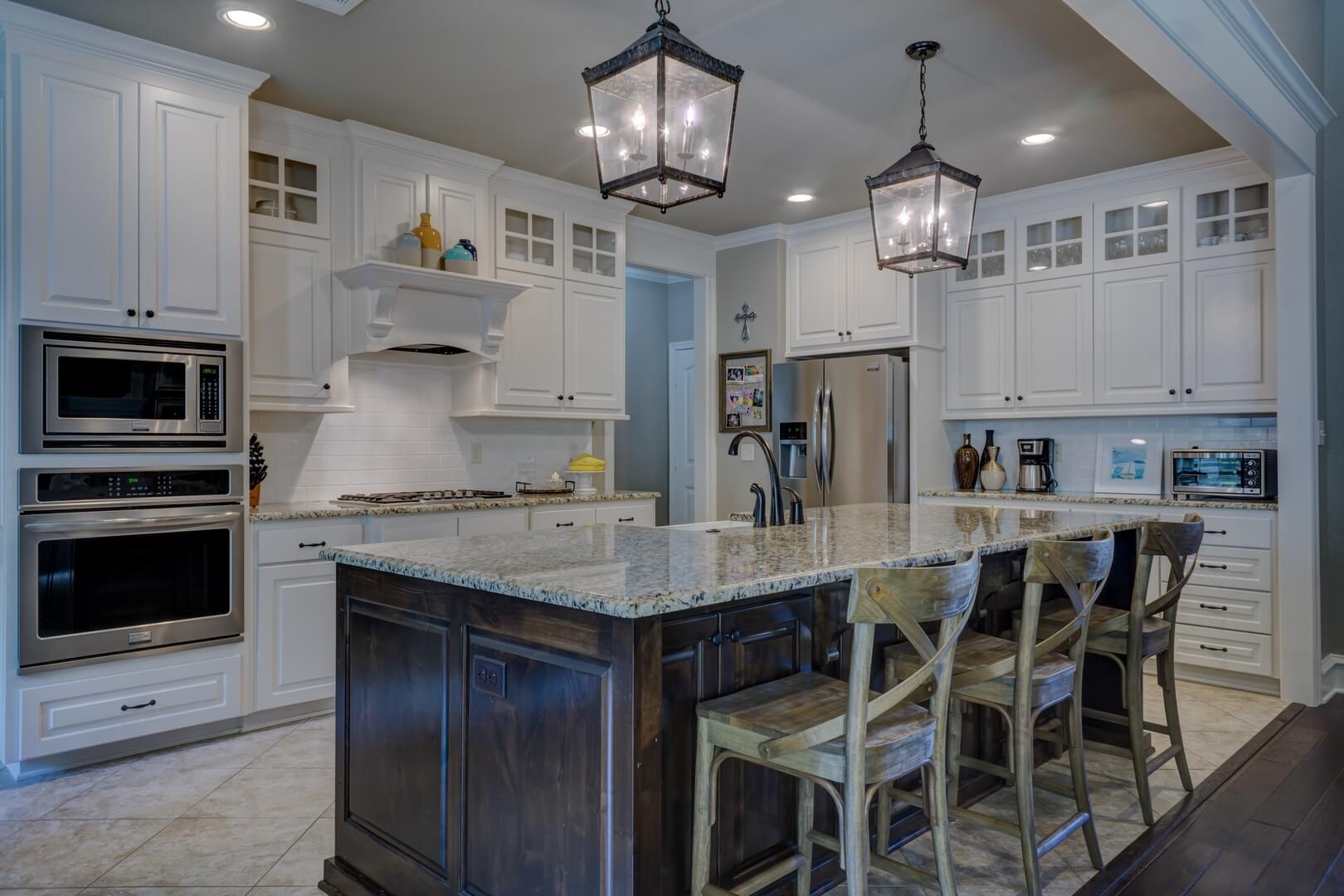
The kitchen is the heart of the home, and a well-designed, functional space can elevate the cooking experience and add significant value to your property. Kitchen renovations, however, often come with the challenge of balancing dreams and budget constraints. In this article, we delve into essential tips for achieving a dream kitchen while managing materials and budget effectively.
- Set a Realistic Budget: Before embarking on your kitchen renovation journey, establish a clear and realistic budget. Consider factors such as the size of the space, desired upgrades, and the quality of materials you envision. Having a well-defined budget will guide your decisions and help you avoid overspending.
- Prioritize Essential Elements: Identify the essential elements that will make the most significant impact on your kitchen’s functionality and aesthetics. Prioritize these aspects in your budget to ensure that even if adjustments are necessary, you’re not compromising on the key components of your dream kitchen.
- Invest in Quality Materials: While it’s crucial to stick to your budget, certain areas of the kitchen warrant an investment in high-quality materials. Cabinets, countertops, and flooring are elements that experience daily wear and tear, so opting for durable materials can contribute to the longevity and overall appeal of your kitchen.
- Consider Alternatives for Cost Savings: Achieve a balance between quality and cost by exploring alternative materials that offer both durability and affordability. For example, consider laminate countertops that mimic the look of natural stone or hardwood alternatives for flooring. Smart choices in these areas can help you achieve the desired aesthetic without breaking the bank.
- Explore Ready-to-Assemble (RTA) Cabinets: Cabinets often constitute a significant portion of kitchen renovation costs. Ready-to-assemble (RTA) cabinets can be a cost-effective solution. They come in a variety of styles and finishes and can be assembled on-site, saving on shipping and assembly costs associated with pre-assembled options.
- Optimize Storage Solutions: Clever storage solutions can enhance the functionality of your kitchen without significantly impacting your budget. Consider pull-out shelves, built-in organizers, and multi-functional cabinets to maximize storage space efficiently.
- Energy-Efficient Appliances: Upgrading to energy-efficient appliances not only contributes to a more environmentally friendly kitchen but can also result in long-term cost savings on utility bills. Look for appliances with the ENERGY STAR label, which indicates high energy efficiency standards.
- Mix High and Low-End Finishes: Achieve a balanced look by mixing high and low-end finishes. Splurge on focal points like a high-quality countertop or designer backsplash while opting for more budget-friendly options for less visible elements. This strategy allows you to allocate your budget where it will have the most significant visual impact.
- DIY Where Feasible: Identify areas where you can contribute to the renovation process with do-it-yourself (DIY) efforts. Painting, minor repairs, or even assembling certain components can be manageable tasks that help save on labor costs.
- Regularly Review and Adjust: As the renovation progresses, regularly review your budget and assess any changes or unexpected costs. Being proactive in managing your budget allows you to make informed decisions and avoid financial surprises.
Conclusion:
Building your dream kitchen is an exciting endeavor that requires thoughtful consideration of both materials and budget. By setting a realistic budget, prioritizing essential elements, and making strategic decisions about materials, you can create a kitchen that not only meets your aesthetic preferences but also aligns with your financial constraints. With careful planning and a focus on efficiency, your dream kitchen can become a reality without compromising on quality or breaking the bank.